
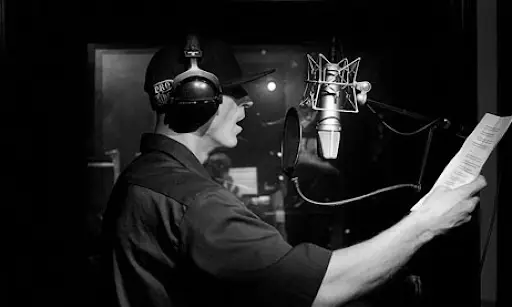
If you have heard modern records or even old one’s then you will find that the vocals form the most important part of the song or the mix.
If your vocals sound great, you have won half the battle as an engineer. But knowing this alone doesn’t make mixing the vocals any easy. Vocals are tricky. They’re often the loudest thing in your mix, which leaves little room for error. And since we’re so familiar with the sound of the human voice in our day to day lives, we are quick to notice any imperfections in it.
If you’re struggling to craft professional quality vocals, then these tips are going to be of great help to you. First things first:
- An important thing one should care about is that the path to getting a good vocal mix starts from getting a good vocal take using a quiet studio space, good preamplifier and a clean signal path.
- Then the real thing you should try and do is bring your VOCALS early in the mix. Many modern mix engineers would support this idea that vocals being the most important thing in your mix we can actually start by shaping the vocals first and then create the mix around it. That way we have the full empty canvas for our vocals and the rest of the mix can be built around it.
1. Clean up and edits.
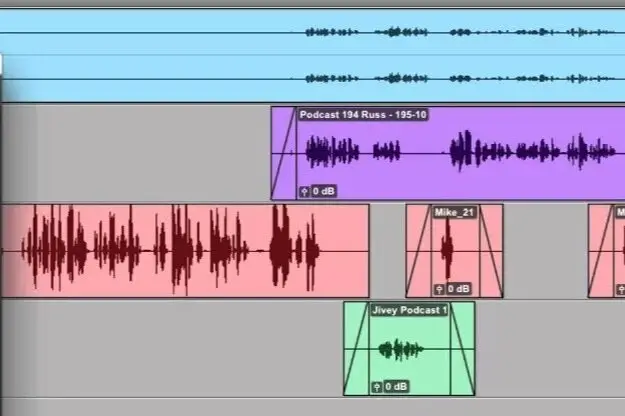
Make sure that your vocals are cleaned up from any noise, room tone, AC hum etc. that had got recorded in the vocal takes. That is the reason why one should try and record the vocals as DRY as possible, that way you will have a clean recording which can further be processed to the fullest if required. Filters or Noise reduction tools can be used to get rid of nasty frequencies or clicks, pops etc.
Also, editing the vocals for the best takes and putting Fade-ins and Fade-outs, crossfades wherever necessary will keep only the best thing forward and make it ready for the mix.
2. Tuning
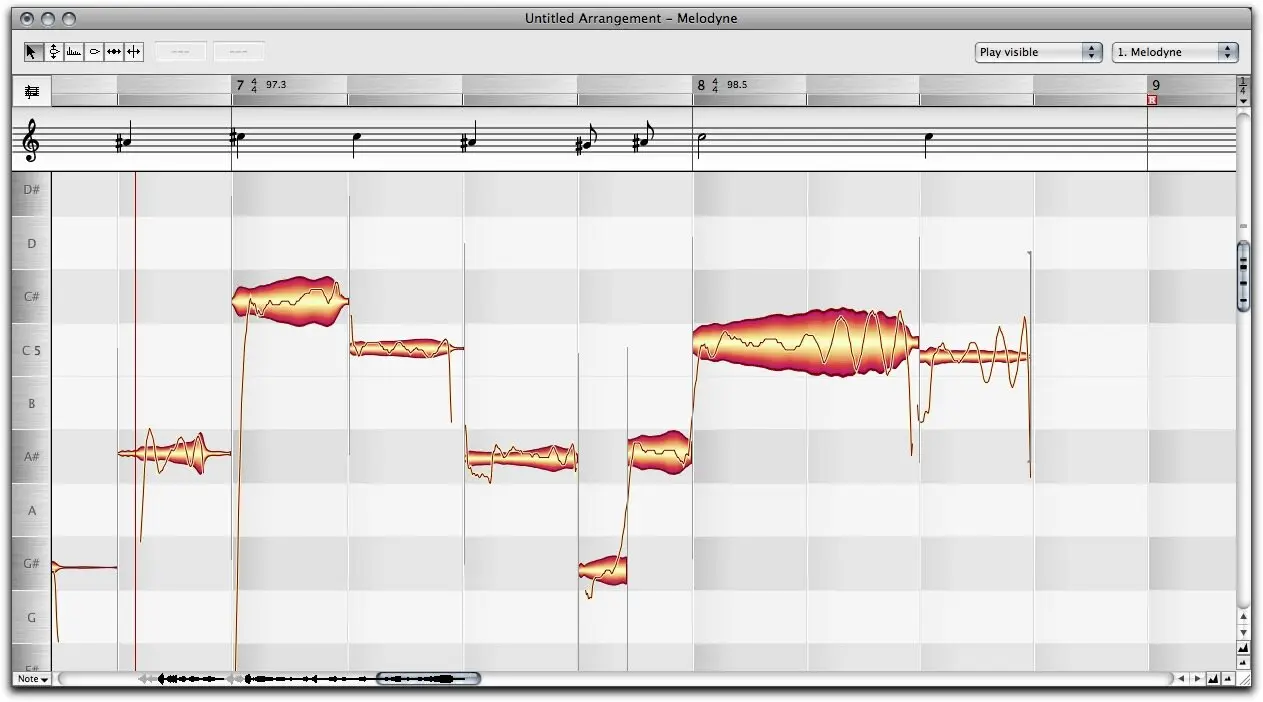
Tuning or pitch corrections have to be used to correct tuning imperfections in a vocal performance. While that’s not inherently a bad thing, you may want to touch up any questionable notes with pitch correction softwares like Melodyne, WavesTune, Antares Auto-tune etc.
After applying pitch correction, it’s a good idea to bounce or print the effects to set the new audio into play and save some processing power during the mix.
3. Gain staging and Automation.

Vocals have a very huge dynamic range and so one of the most difficult things about working with vocals is controlling the dynamics.
A singer can go from low level whispers to a shout in seconds. Yet in the modern world standards of production require the vocals to be incredibly consistent. Every word needs to be audible, intelligible and loud.
This is usually done with a mixture of Volume Fader Automation and Compression. Loud words and phrases are manually lowered in volume, and quiet words and phrases are manually raised. You can do this by ‘riding the fader’ with live automation or by drawing in lane automation in your DAW.
4. Adding Tube tones/Saturation and De-essing.

There’s something aurally pleasing about the harmonic distortion that tubes can impart, or analogue warmth that an analogue hardware or an emulation plugin can impart. It is therefore no surprise why tube microphones, tube compressors and tube amps are so widely popular and highly desired.
Also Vocals are notoriously difficult to tame and a big reason for that many a times is SIBILANCE.
Sibilance is the sound created when you say a consonant (like s, t, or z). It’s that “ess” sound that you make with your tongue.
In the real world, sibilance doesn’t really bother anyone. It sounds normal. But microphones tend to accentuate it, making it sound unnatural and harsh.
That is why we use de-esser plugins, meant to tame that sibilance.
5. Reverbs and Delays
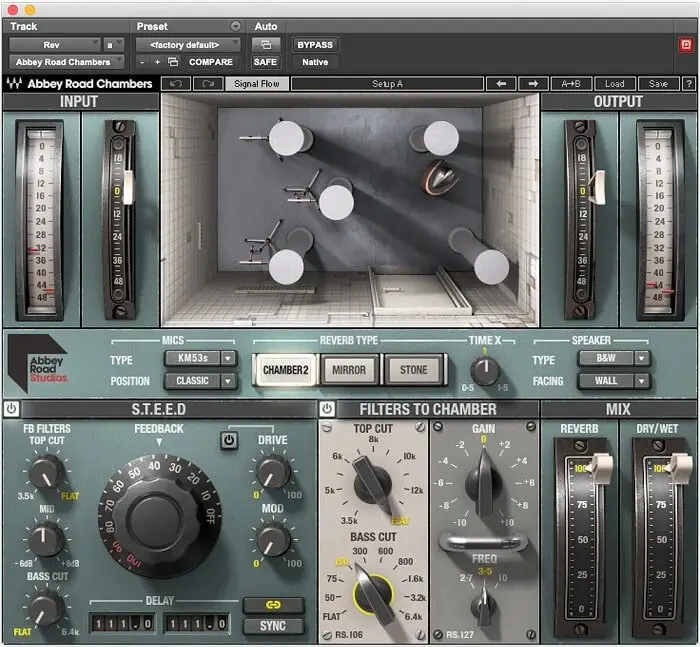
Reverb : You don’t want the reverb to be noticeable, instead it should just add space and wetness to the vocals so that they do not sound lifeless.
Whether you pick reverb or delay to give your vocal some space depends on what sound you’re going for. Reverb sounds more natural, but it pushes the vocal back farther in the mix.
The current mixing trend is that the vocals are mostly very upfront and in your face. For this reason, applying reverb is counterintuitive. However, there is one way you can use subtle reverb on vocals…
By applying a very subtle, very short stereo reverb you can add space, stereo width and depth to your vocals.
Delay : Instead of Using Reverb to add space one can also use stereo slapback delay with different times on the Left and Right side. By using different times on the left and right side you are adding more stereo width to the vocal. This will also get your vocals upfront and coherent.
If you want a little bit more depth and interest to the sound, you can also use a mono timed delay. If you want the classic ECHO sound that you might have heard on a lot of legendary pop mixes, try syncing a mono delay to the tempo of the track and using a higher feedback.