
A saturator is an audio effect that applies non-linear compression and distortion to its input audio signal. Saturation can occur through various different means, but generally we use tape saturators to apply saturation.
Plug-in tape saturators seek to emulate the effect that occurs when the input voltage of an analog tape machine exceeds the limit of a roll of tape’s ability to record it.
Other forms of saturation include tube saturation, which emulates the sound of audio driven through tube amps, and transistor saturation, which mimics the sound of audio driven through transistor-based circuits.
There are multiple different ways you can use saturation, regardless of the type of saturation you choose. Some forms of saturation may be more suitable for specific sound sources than others. So experimenting helps.
1. MAKE YOUR BASS LINES MORE AUDIBLE
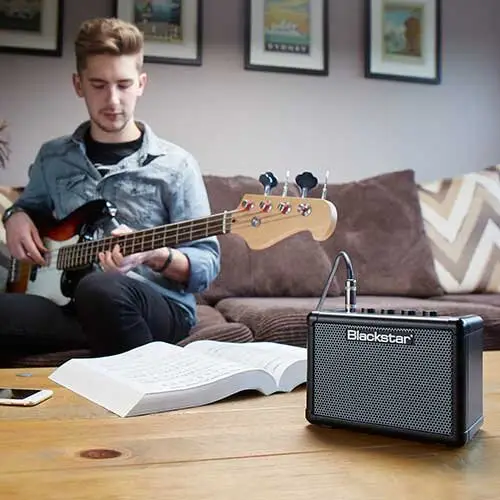
Many basslines that have been synthesized are built off of a sine wave. While this creates low-end that is big, full, and round, your bassline may lack upper harmonic content.
The reason upper harmonics are important is that they can be heard on smaller playback devices like cell phones and laptops. Your brain is capable of using these upper harmonics to create a phantom fundamental frequency that may not be audible on the speakers you're listening to.
2. MAKE YOUR DRUMS MORE AGGRESSIVE

Saturation can be applied to individual drums, or drum busses, to make them sound more aggressive. The distortion a saturator applies can make your drums sound dirtier, and grittier, while the compression it applies can tame transient material.
One of the exciting side effects of applying saturation to the elements in your mix is that it can increase perceived loudness without increasing signal level.
3. TAME TOP-END HARSHNESS

Saturators allow you to tame top-end harshness and can come to the rescue when working with sizzling cymbals, vocals, and guitars.
The frequency range in which harshness tends to manifest itself is around 6,000-8,000 Hz. It’s often easier to deal with harshness using a saturator than it is using a multiband compressor or dynamic EQ. The distortion a saturator applies can mask piercing frequencies, which is a solution different than frequency attenuation.
4. GET CREATIVE WITH VOCAL SATURATION
You may think that saturation has no place in the treatment of the vocals. However, be sure that vocals can shine after being carefully processed by saturation. By placing the tape emulation effect on the vocal recording and increasing the drive parameter, you will instantly hear how the vocal sounds ”fuller”. Moreover, one more useful aspect will occur, harsh sounds in the vocal recording like “S” and “C” will be softened and therefore sound more pleasant to the ear.
There are endless possibilities to achieve unique, cool and very analog-sounding mixes made from your laptop at home, and saturation is just one of the many tools you can employ to help find your distinct sound.