The home recording market has grown exponentially in the last decade. Advancements in computer technology and the development of advanced music recording software have brought professional quality recording capabilities to the home studio. Your home recording setup is where your inspiration strikes and your creativity meets with the workflow and your music takes shape. Here are some tips in improving the workflow and making the fullest each time you hit record.
1. MAKE DAW TEMPLATES AND USE SHORTCUTS AND HOTKEYS.

Working on templates saves a lot of time. In-fact these templates helps you focus on many other important things. Not only do you want to be ready to work when inspiration hits, but your workflow should continue to be effective as you finish your project or help your clients finish their projects. You may find many preset templates that every DAW has, but you should also have your own custom made templates after working on different projects.
Getting familiar with the shortcuts on your DAW which you frequently use saves up time and increases the speed of your work. You don’t require to memorize each and every one of them, but a handful that you would use from time to time is helpful.
2. ARRANGE YOUR EQUIPMENT, AND KEEP IT ORGANIZED!
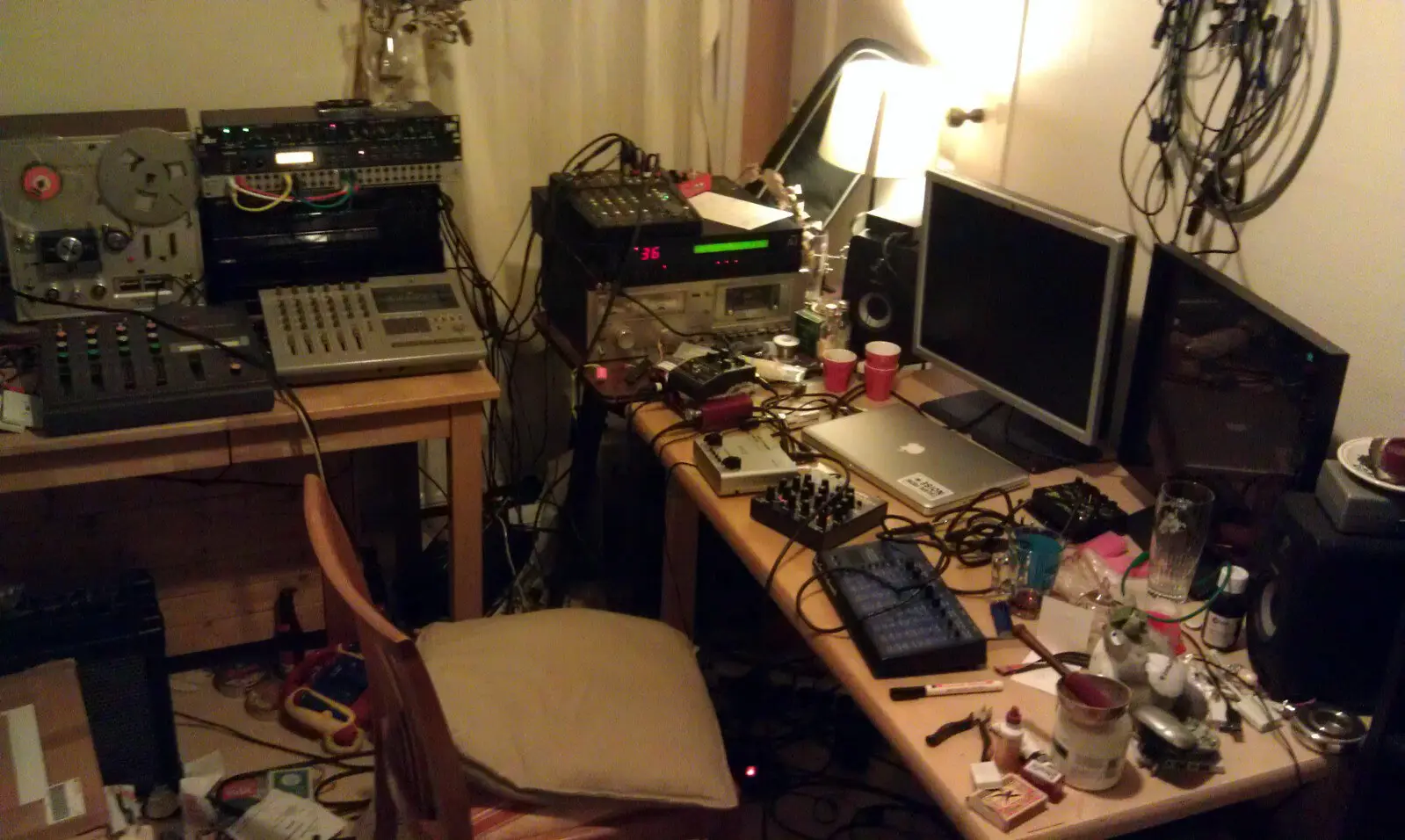
A bit of cleaning goes a long way. A tidy studio is honestly one of the most effective tools for working at optimum capacity. Imagine feeling super inspired and ready to start working, but then entering your studio space and finding that there’s a bunch of confusingly tangled wires/cables at your feet and you can’t find the power cable to turn on.
In order to set up yourself for success, keep your cables, microphones, headphones, and other instruments or equipment organized in specific and consistent spots so that you always know where they are when you need them. And then, after you’re done with them, always return these items to their respective spots. Put guitars in cases or hang them on the wall, wind cables when they’re not in use, and build shelves to store stuff that gets used less frequently. Big plastic storage bins are also a great option for extra cables and assorted items.
3. CREATE PRESETS IN EFFECTS AND INSTRUMENTS THAT YOU USE FREQUENTLY.
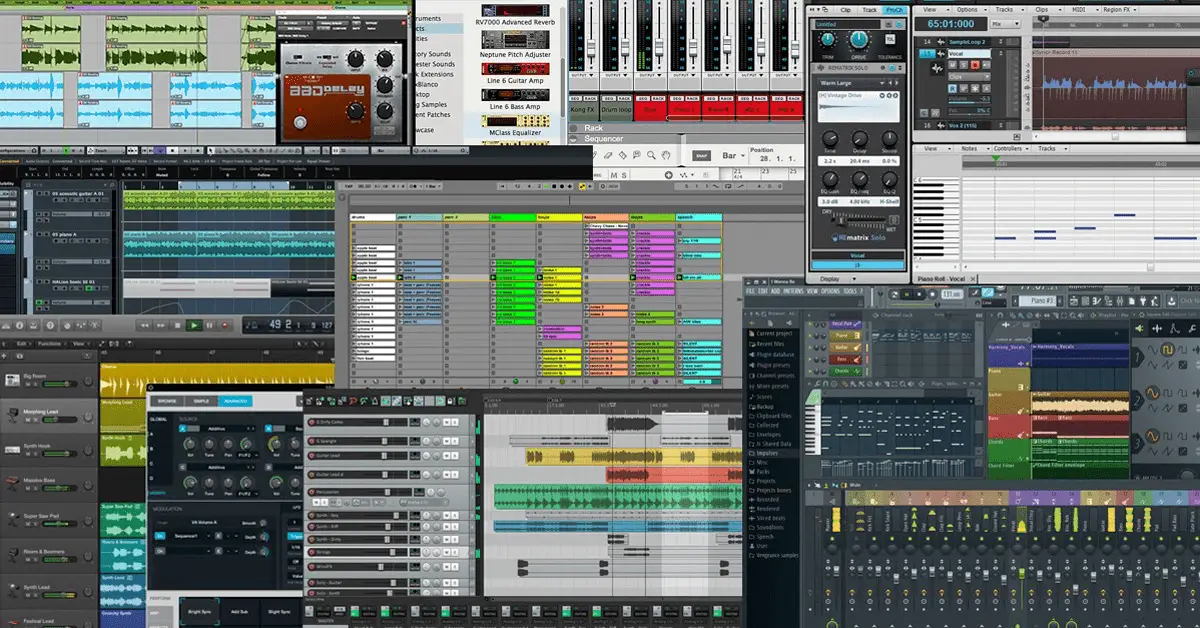
Creating presets for the instruments and effects that you use often can help you solidify a consistent sound, and help eliminate extra time spent changing parameters in stock presets. Personalized presets can also be helpful when tracking vocals and instruments by giving you a quick head start in the rough mixing process. The more confident you can be in your presets, the less you have to worry about laying down tracks that just don’t sound right.
4. LABEL YOUR PROJECTS.
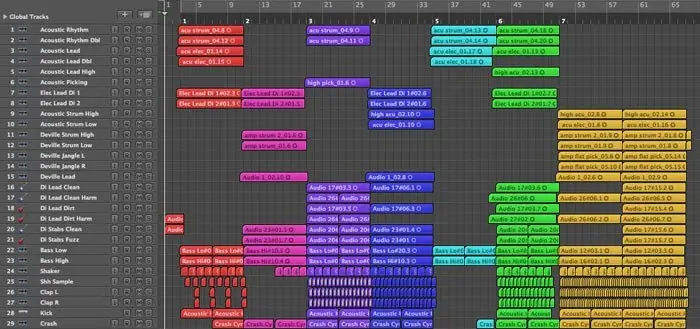
When saving your projects, make sure that you label them clearly and in detail so that you can later find them and recall quickly whenever you need them. You can also use folders to organize different projects and versions of songs or sessions.
For example: SongTitle_Mix#/Version_Date
Even if you are making slight changes in the mix, even saving those helps in keeping your sessions organized. Session management therefore is an important step that one must always use.
5. LABEL YOUR TRACKS AND TAKE NOTES — LOTS OF THEM.
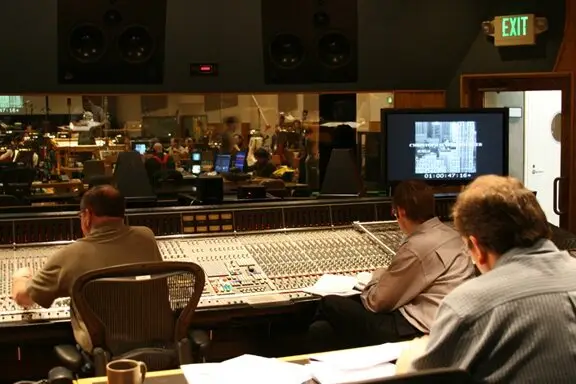
Labeling tracks and keeping a detailed record of what’s happening during a recording session is crucial for saving time. Take a small amount of time to label each track or input before and after you record each piece and keep handwritten notes in a notebook (or at least on a separate screen other than the one used to record).
During the recording process, you’ll soon discover that not all takes are created equal and it’s common for vocal and instrumental tracks to be spliced together later, during the editing process. This means that the more detailed notes you can jot down about how each take sounds, the better. You’ll rely on these notes later to edit and compile tracks.
6. KEEP YOUR EARS FRESH WITH FREQUENT BREAKS.
It might sound odd to recommend taking breaks as a time-saving tool for home-recording, but keeping your dexterity as well as your listening skills sharp will protect you from making costly recording mistakes. Go too long without taking a break, and you’ll run the risk of not being able to separate good takes from bad ones.
7. ERGONOMICS
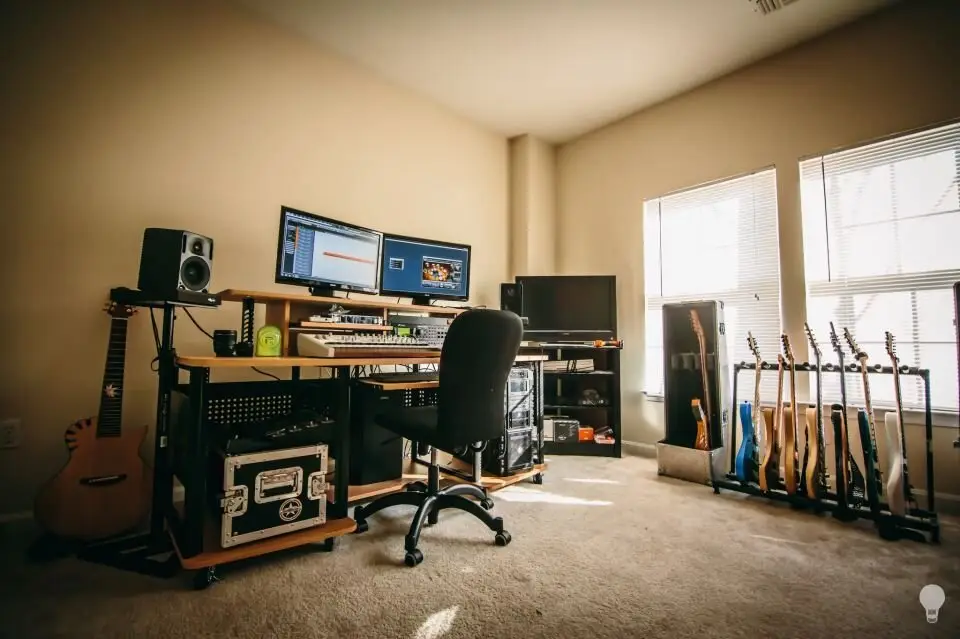
A poor studio setup is unlikely to cause problems to an engineer/musician who uses it infrequently, for short periods of time. However, the likelihood of poor design resulting in physical problems will significantly increase if the engineer/musician uses the studio more often, and for longer periods. In addition to rearranging the physical layout, there are methods of working that help to reduce the risk of developing musculo-skeletal disorders.
It is important to take regular breaks from specific activities, not necessarily to rest, but to vary your posture and the way you are using your body. In particular, it is important that the time spent in sitting is broken up, to include periods of standing, stretching, as even sitting in a good posture becomes stressful for the spine after a time.