
One of the widely used modulation effect in mixing is a chorus. The “chorusing” effect adds a certain rich, thick movement to the sound and can change the overall feeling significantly. Chorus mixes a slightly delayed and modulated copy with the original signal. Delay times for chorusing are between 5-20ms.
Before we get into its various applications, lets have a look on what modulation actually is.
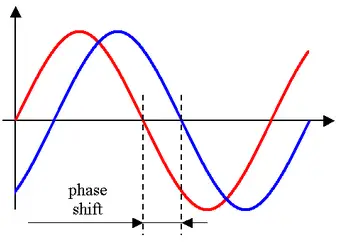
Modulation effects process an input signal dynamically over time. Of course, today we have a multitude of modulation effects. Basic modulation effects, in essence, operate on the principle of copying an incoming signal and modulating that copy as it is mixed with the unaffected signal. This induces “phase shifts”, which create an effect on the overall sound.
Here are some cool chorus tricks that you can try out:
WIDENING A MONO INSTRUMENT

This trick can work for any mono instrument source you get. Very often at one point, someone has taken a mono guitar and panned it to one side and then panned a delayed version of the same guitar to the opposite side in an attempt to create stereo width. This never seems to sound that satisfying, even giving the feeling that there are phase/polarity issues. The way to combat that is to adjust the pitch of the delayed source. By simply flattening the guitar a few cents the width is properly created and also gives a very cool guitar sound! Many delays, like the stock Avid Mod Delay plugin have Pitch Change built in, however if they don’t, you can simply add pitch before the delay to create the same effect.
DETUNING THE SNARE LOW & TO THE KEY OF THE SONG

This idea adds weight to your snare which you can’t simply get from EQ. Bring your snare down one octave, then using a tuning software such as Autotune or Melodyne read the pitch of the snare, adding additional pitch adjustment until it reads in the key of the song.
Now you’ve got a fat low snare you can blend in. Blend to taste.
DETUNING YOUR REVERB
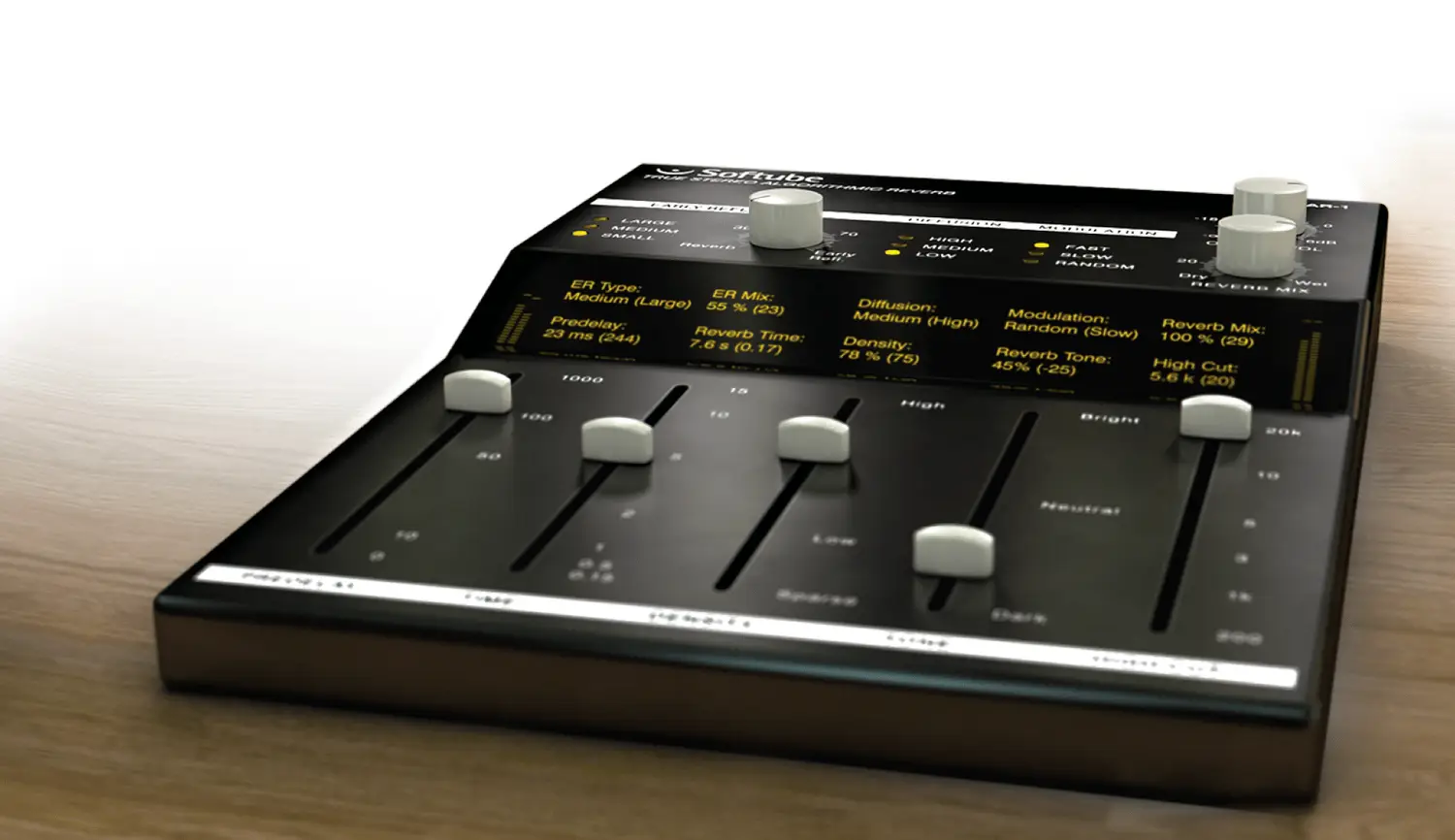
Applying modulation before a Reverb, creates a simple way to add depth and width to the sound you send to it. Often taking a dull, uninteresting sound and giving it a new lease of life in your mix! Try it not only on Stereo Strings/Pads, but Pianos, Background vocals, and lead guitars they will really come to life, pushing the instrument or vocal forward.
ADD BODY TO YOUR VOCAL BY ADDING AN OCTAVE DOWN OF THE VOCAL

Sometimes the vocal performance of an artist sounds thin and lacks body. This can be of numerous reasons. A very simple trick to fatten the vocal and add body is by sending ( on a seperate auxillary bus) the vocal to a Pitch Changer plugin that is down exactly one Octave, this will add body to the lead vocal. EQ the top end off, Low Passing it. There is no need to have high end there which would confuse the main vocals articulation, this is simply there to add body. Add it gently, as soon as you notice it bring it down, you’ll feel the body it adds but won’t hear it above the main vocal notes.