
Move a singer closer to a cardioid microphone, and the voice can suddenly sound fuller, sometimes even muddy. Move the singer back, and that low-end weight begins to change. The microphone hasn't changed, but the tonal balance is different.
This is known as the proximity effect. It is an important characteristic of directional microphones, particularly when recording vocals at close range. For a sound engineer, understanding this effect means having greater control over the recorded tone before reaching for an equaliser. It also explains why two vocal takes recorded with the same microphone can sound noticeably different simply because the singer changed position.
1. What Is the Proximity Effect?
The proximity effect is an increase in low-frequency response that occurs when a sound source moves closer to a directional microphone. It is commonly associated with cardioid and figure-eight microphones. When a vocalist sings close to a directional microphone, the voice may acquire additional warmth and body. This can be useful for intimate vocal performances, but it can also introduce excessive bass that makes the recording sound boomy. The effect is not the same as simply increasing the recording volume. Moving closer generally increases the direct sound level, but the proximity effect also changes the balance between low and high frequencies. Omnidirectional microphones generally exhibit much less proximity effect because their pressure-sensitive operating principle differs from that of pressure-gradient microphones.
2. Why Does Getting Closer Increase Bass Response?
To understand the proximity effect, it helps to understand how a directional microphone responds to sound. Many directional microphones operate using a pressure-gradient principle. Their diaphragms respond to differences in sound pressure across the capsule, which helps determine the microphone's directional sensitivity. At close distances, the pressure differences across the capsule vary with frequency in a way that can increase the microphone's relative low-frequency response. The result is a change in tonal balance rather than simply a louder recording. The amount of bass enhancement depends on the microphone's design, polar pattern and distance from the sound source. This distinction matters in practice. Increasing preamp gain raises the recorded signal level, but it does not correct an unwanted tonal imbalance caused by microphone placement. If a vocal sounds excessively bass-heavy, adjusting the microphone position may be more effective than lowering the input gain.

3. How Microphone Distance Changes Vocal Character
Imagine recording the same vocal phrase twice with a cardioid condenser microphone. For the first take, the singer stands approximately 20 cm away. For the second, the singer moves to around 8–10 cm from the microphone. Assuming the performance and microphone angle remain consistent, the closer take may sound fuller, with more pronounced low-frequency content. That added body can work well for soft vocals or spoken-word recordings. However, if the singer already has a naturally deep voice, the same placement may exaggerate the low end and reduce clarity. Distance also affects the balance between direct sound and room ambience. Moving closer generally increases the proportion of direct vocal sound relative to room reflections, provided the recording conditions remain comparable. This is particularly useful in untreated rooms, where excessive reflections can make a recording sound distant or hollow. Rather than looking for a universal microphone distance, listen for the point at which the voice retains its natural character without becoming too bass-heavy.
4. How Polar Patterns Influence the Proximity Effect
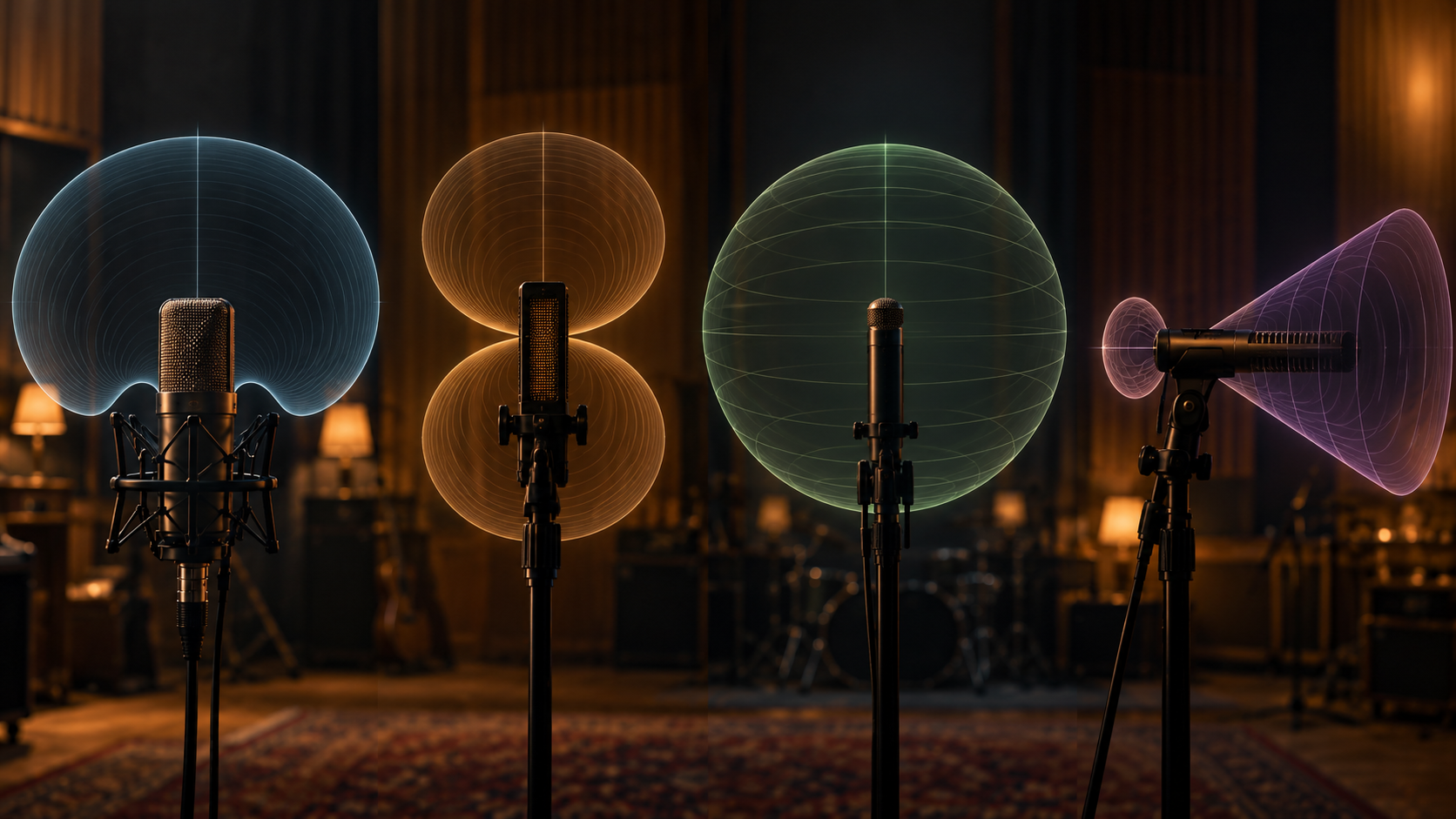
A microphone's polar pattern describes how its sensitivity changes with the direction of incoming sound. It also provides useful information about how the microphone behaves during close recording.
Cardioid microphones are widely used for vocals because they are more sensitive to sound from the front than from the rear. They exhibit proximity effect when used close to a singer.
Figure-eight microphones capture sound from the front and rear while rejecting sound from the sides. Because of their pressure-gradient operating principle, they can exhibit a pronounced proximity effect.
Omnidirectional microphones capture sound from all directions and generally exhibit little or no proximity effect in their normal pressure-sensitive operating mode.
This is one reason microphone selection should not be based solely on sensitivity or frequency response. The polar pattern influences how the microphone interacts with both the vocalist and the recording environment.
5. Using the Proximity Effect Creatively
The proximity effect is not necessarily a problem to eliminate. It can be used deliberately to shape a recording. A singer performing a quiet, intimate passage may benefit from close microphone placement because the added low-frequency weight can make the voice feel fuller. For a louder performance, a slightly greater distance may produce a more balanced tone and allow the singer to move naturally without creating extreme tonal changes. However, close placement requires attention to plosives. Consonants such as P and B produce bursts of air that can strike the microphone diaphragm and create unwanted low-frequency thumps. A pop filter helps reduce these bursts. Adjusting the microphone angle can also help, although excessive off-axis placement may change the captured high-frequency response. The aim is to use distance as a tonal control, not to rely on it without listening to the result.

6. How to Hear the Proximity Effect in a Recording Session
You can investigate the effect with a simple experiment in your home studio.
- Position a cardioid microphone approximately 20 cm from the vocalist and record a short phrase.
- Move the singer closer, to approximately 10 cm, without changing the microphone gain.
- Keep the microphone angle and vocal delivery as consistent as possible.
- Compare the two takes at matched playback levels.
Listen specifically for changes in bass response, vocal fullness and room ambience. Matching the playback levels is important because the louder take may initially seem better simply because it is louder. You can also inspect the recordings using a spectrum analyser to compare their frequency content. Look for changes in the low-frequency region, while remembering that variations in the performance can also influence the results. This exercise develops critical listening skills and demonstrates why microphone placement is part of the recording process rather than a decision to leave until mixing.
7. How to Correct Excessive Proximity Effect
If a vocal sounds muddy, start by checking the microphone distance. Moving the singer back slightly is often the simplest solution, especially when the low-frequency buildup is caused by proximity effect. If repositioning the microphone is not practical, equalisation can help reduce excessive bass. A carefully chosen high-pass filter may remove unwanted low-frequency energy, but setting its cutoff too high can thin the voice. Some microphones also include a low-frequency roll-off switch, which can help manage bass buildup and other unwanted low-frequency content. It is important to identify the actual cause before applying processing. Room modes, plosives, microphone frequency response and the natural tonal characteristics of the singer can all contribute to a muddy recording. Each requires a slightly different approach. Correcting the source first generally gives you more control over the final sound.
8. Why the Proximity Effect Matters Beyond Vocal Recording
Although the proximity effect is often discussed in vocal recording, it is relevant to other close-miking applications as well. When recording a guitar amplifier with a directional microphone, moving the microphone closer can alter the balance of low frequencies and change the perceived weight of the instrument. Similar considerations apply to spoken-word recording and some other close-miking situations. The effect can be useful when a sound needs more body, but it can also exaggerate frequencies that already dominate the source. Understanding the relationship between microphone distance, polar patterns and frequency response helps engineers make these decisions intentionally. Instead of treating microphone placement as a fixed setup requirement, they can use it as part of the tonal-shaping process.
The proximity effect is a reminder that microphone placement influences the sound long before it reaches the mixing stage. Understanding why directional microphones respond differently at close distances allows sound engineers to control vocal tone, manage unwanted bass buildup and make more informed recording decisions. For aspiring sound engineers and music producers, learning these fundamentals is an important step towards developing better recording and critical listening skills. Exploring sound engineering and music production at TAG Mumbai can help build that foundation through further study of microphone techniques, recording and mixing.